


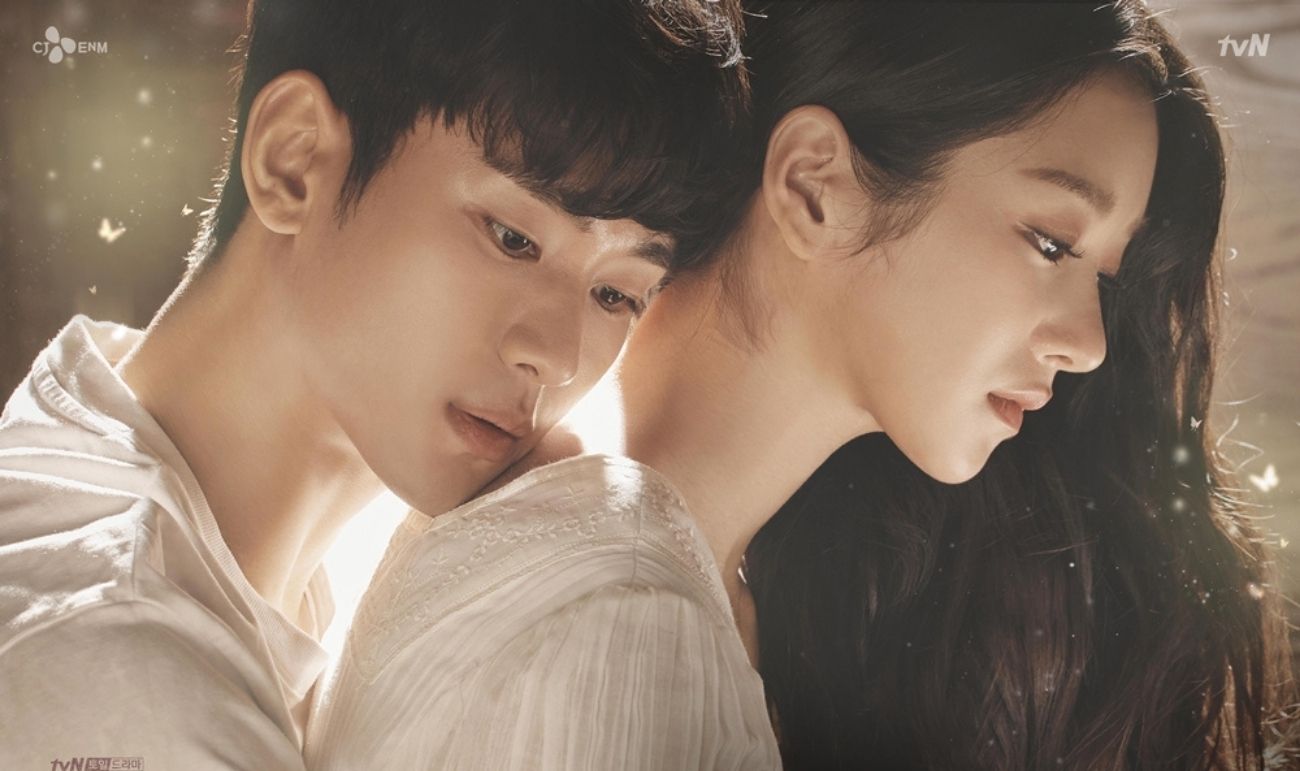
I was born a bit stupid
Korean dramas are among my favorite genres. Unfortunately, I watch them far less frequently than English-language series. The reason is simple – they demand my full attention and constant focus on the screen. Since I don’t know the language, I have to read the subtitles, which means I can’t allow myself any distractions. Yet, there’s beauty in that—it forces me to be completely present, fully immersed in the story unfolding before me.
In 2021, Netflix released a new Korean drama titled It’s Okay Not to Be Okay. In Polish, the phrase translates a bit differently, yet in this context, the expression “okay” refers to mental health. The series revolves around this very theme, though it becomes truly evident only around the second or third episode. At first, I thought I was watching another exaggerated love story.
The main character works in a psychiatric hospital, caring for its patients. In one of the episodes, we see the arrival of a new patient — the son of a well-known politician. After a short stay, he escapes from the facility, and during a dramatic chase sequence, he finds himself at his father’s public rally. There, he grabs the microphone and delivers a powerful, emotional speech. At first glance, it seems like an act of rebellion against his father for sending him to the hospital. But upon deeper reflection, it reveals itself as something far more profound — a desperate cry for love, attention, and understanding.
"As you can see, I am mentally ill! Yes, I am the ugly duckling in this family. I bring shame to the family! [...] I am the only fool in the family. But it's not my fault. I was born… I was born a bit stupid.."
The problem with being mentally ill is not just the illness itself, but the way we begin to see ourselves through the eyes of others. And those gazes can be cruel. Of course, the illness alone is already a challenge, but the heartache that people with mental health struggles experience must be unimaginable.
When a child is born, he has no idea that he’s less intelligent, that he looks different, or that he speaks differently. Children are free from judgment — they feel joy, they laugh, they cry — their emotions are pure and simple. But as they grow older, they start to notice differences. They realize they’re being treated differently. They begin to feel isolated and start to see themselves the way the world sees them.
"He ignored me because I didn't understand everything [...] I'm his child too. He treated me like I didn't exist. And I just wanted… I just wanted him to pay attention to me. I wanted him to look at me. I was doing crazy things to get him to notice me."
Imagine standing in front of a mirror, feeling handsome. Your mother walks up and says you look great — but that maybe you should eat a little less, because then you’d look even better. In that moment, you learn for the first time that things could be better, even though they were never bad to begin with. The next day, you put on a new shirt and show it to your siblings, who laugh and say you look like a fat pig. You don’t quite believe them, but the thought lingers — maybe I am too fat. You flip through your mom’s magazines and see handsome models who look nothing like you. You go to school — other kids are chatting, but you’re too shy to join. You observe your slimmer classmates, compare yourself to them, and pull away even more, convinced they wouldn’t want to hang out with you anyway. They notice that you’re quiet and withdrawn. Soon, the whispers start: you’re different, weird, and “no one wants to be friends with a fatty.” You go home, look in the mirror, and feel only sadness, shame, and self-hatred.
Now imagine — what if you could hold on only to that first feeling? That pure moment when you knew you were beautiful. What if you could erase every word, every look, every opinion that others ever imposed on you?
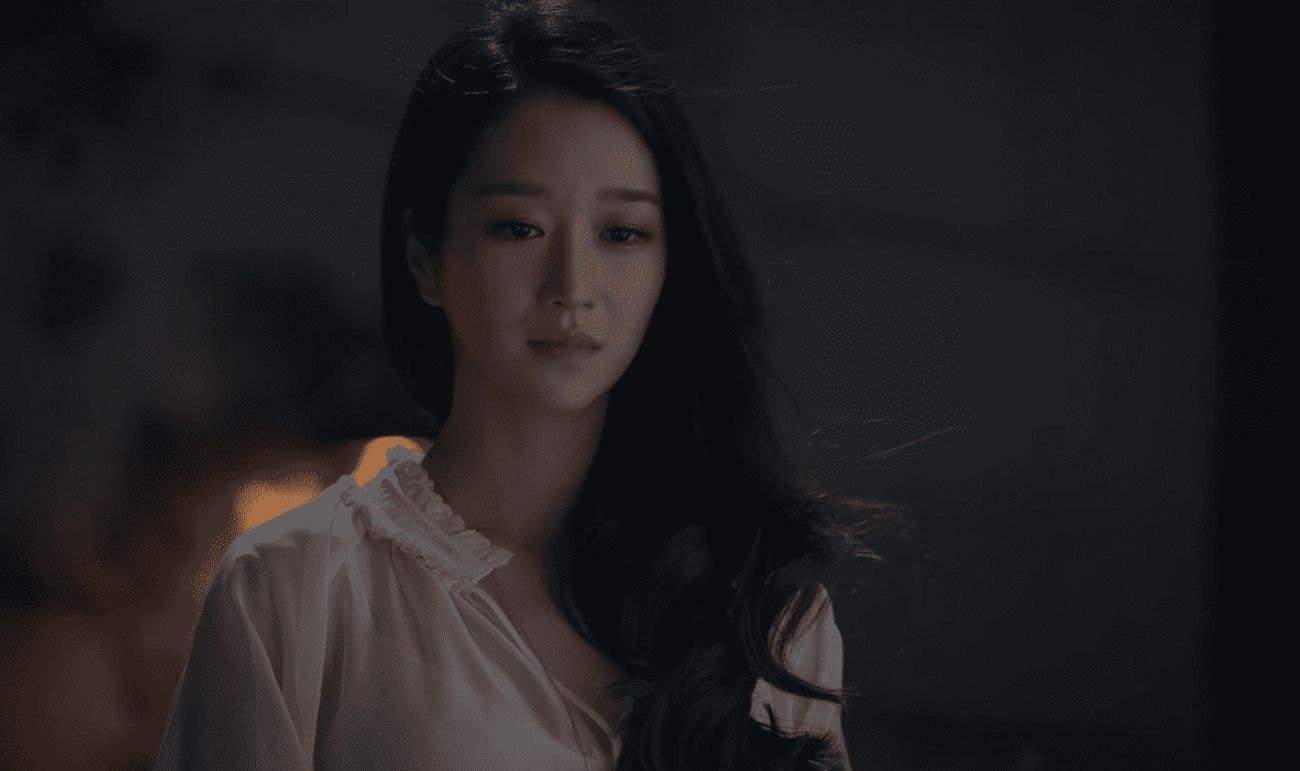
When we begin to accept others’ opinions about us as our own truth, we lose connection with ourselves and with our soul. We want to be as smart as others, as beautiful as others, as wealthy as others — forgetting that there will always be someone smarter, more beautiful, and richer. And those “others” who call us stupid often go home and think the same about themselves. Driven by self-dislike and hidden anger, they lash out, masking their own insecurities by hurting others.
For me, it was deeply liberating to realize that I will never be as beautiful, as rich, or as intelligent as others — because that’s simply impossible. Each of us is different. Therefore, I can only be as beautiful as me, as rich as me, as wise as me — to the extent that I allow myself to be. Even if someone sees us as unattractive, they have the right to — in their eyes, that may be true, simply because their standards of beauty differ. If someone considers us poor, they may also be right, because next to their millions, our thousands seem insignificant. Yet, those same thousands might appear as unimaginable wealth to someone who only has a few hundred.
Do you see? Opinions are subjective. They can never be truly objective, because each of us measures by a different scale, from a different point of reference. So instead of viewing ourselves through the lens of others, let’s learn to see ourselves with our own eyes. Let’s recall that pure, innocent feeling of a child — untouched by judgment or comparison. How beautiful it would be if we, as human beings, could see ourselves — and our illnesses, weaknesses, or differences — not as something lesser. If we didn’t isolate ourselves because of them, nor allow others to do so.
Because how can others love us if we don’t love ourselves? And on the other hand — how can we learn to love ourselves if, from early childhood, we never experienced love, never tasted it, and only saw it in others? We long for it more and more deeply… and yet it still doesn’t come.
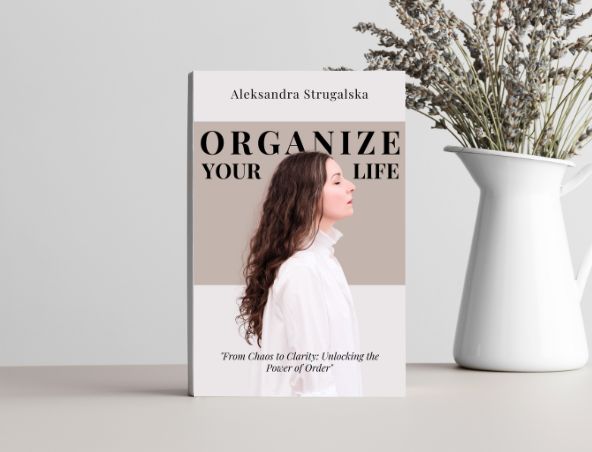
Organize your life.
The first publication in the Untold product series, created to share methodology for organizing everyday life, cultivating systematic discipline, and developing proper habits. Drawing from the author's experience, knowledge, beliefs, and commonly available coaching tools, she aims to inspire you to take action and present you with a straightforward approach to achieving fulfillment and building self-esteem. Written in a simple way, it contains examples from everyday life, practical tips, exercises, and beautiful graphics. Available in e-book and audiobook.



Leave a Reply